The 12-Month Wedding Planning Timeline for Couples Marrying in Asia
What to decide and when to decide it — a twelve-month planning order built for the way Asia gets married, from auspicious dates to multi-ceremony wardrobes.

Twelve to nine months: decide the shape of the day
Three decisions set everything else: how many guests, how much you will spend, and where in the region you will marry. Settle them in that order, together, before you look at a single ballroom. In much of Asia the calendar itself is a planning constraint — many families consult elders or an almanac, and favorable dates concentrate demand, so the venues you want are booked earliest on the dates everyone wants. If you are considering a destination wedding, weather seasons vary sharply across the region; ask every venue which months they would not choose for their own outdoor ceremony, and listen to the answer. Book the venue and the date first. Everything else can move; these two cannot.
Eight to five months: build the team
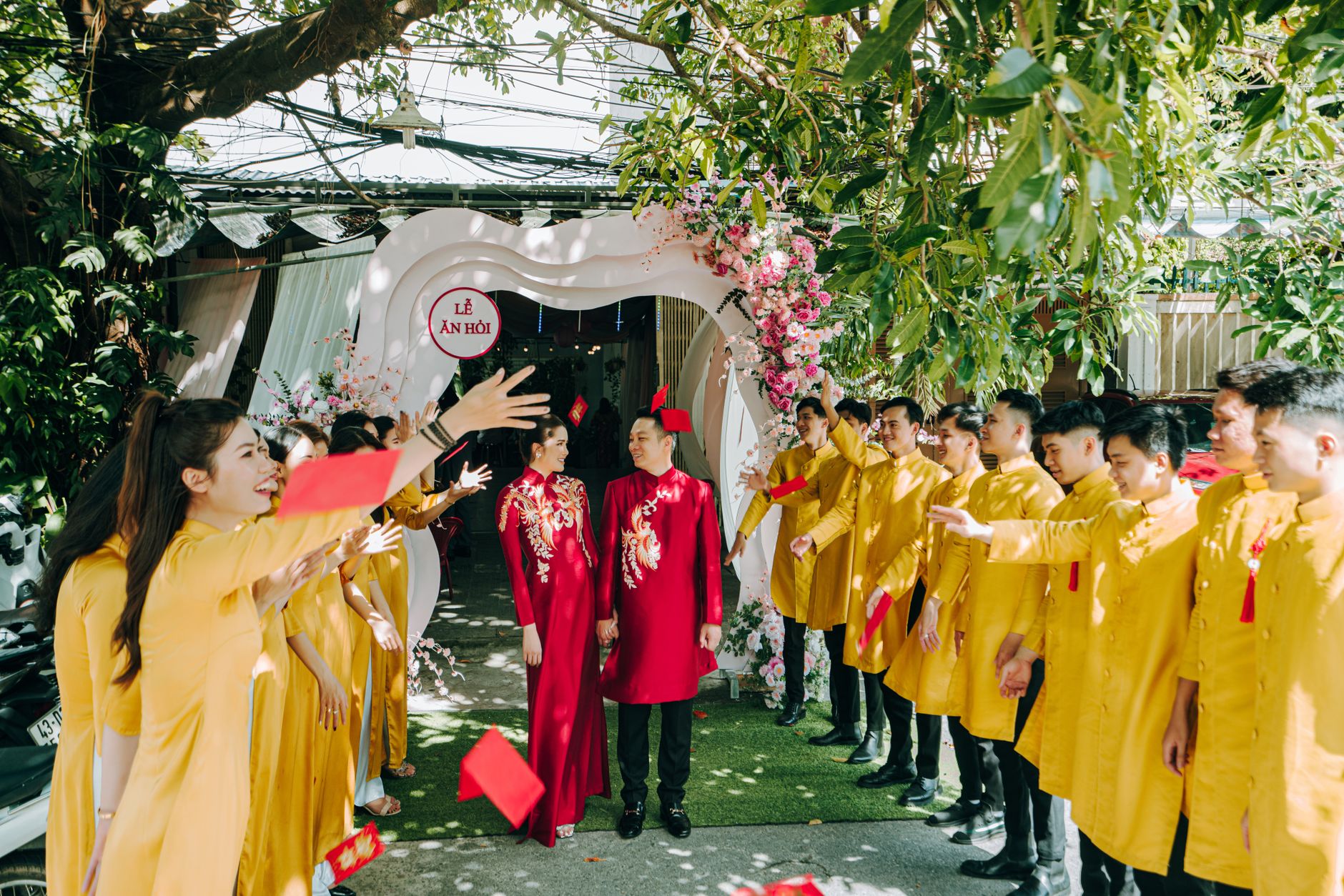
Photography is the one budget line couples most often regret cutting, because it is the only vendor whose work outlives the date. Book the photographer early, then the planner or venue coordinator, then gown, beauty and florals. If your celebration spans several ceremonies — a tea ceremony, a religious rite, a banquet, a sangeet — plan the wardrobe as a sequence, not a single dress: each change needs its own fitting timeline and its own beauty schedule. For destination weddings, this is also the window to reserve room blocks and tell guests the dates, long before formal invitations. Guests forgive many things; short notice for international travel is not one of them.
Four to two months: the paper and the details
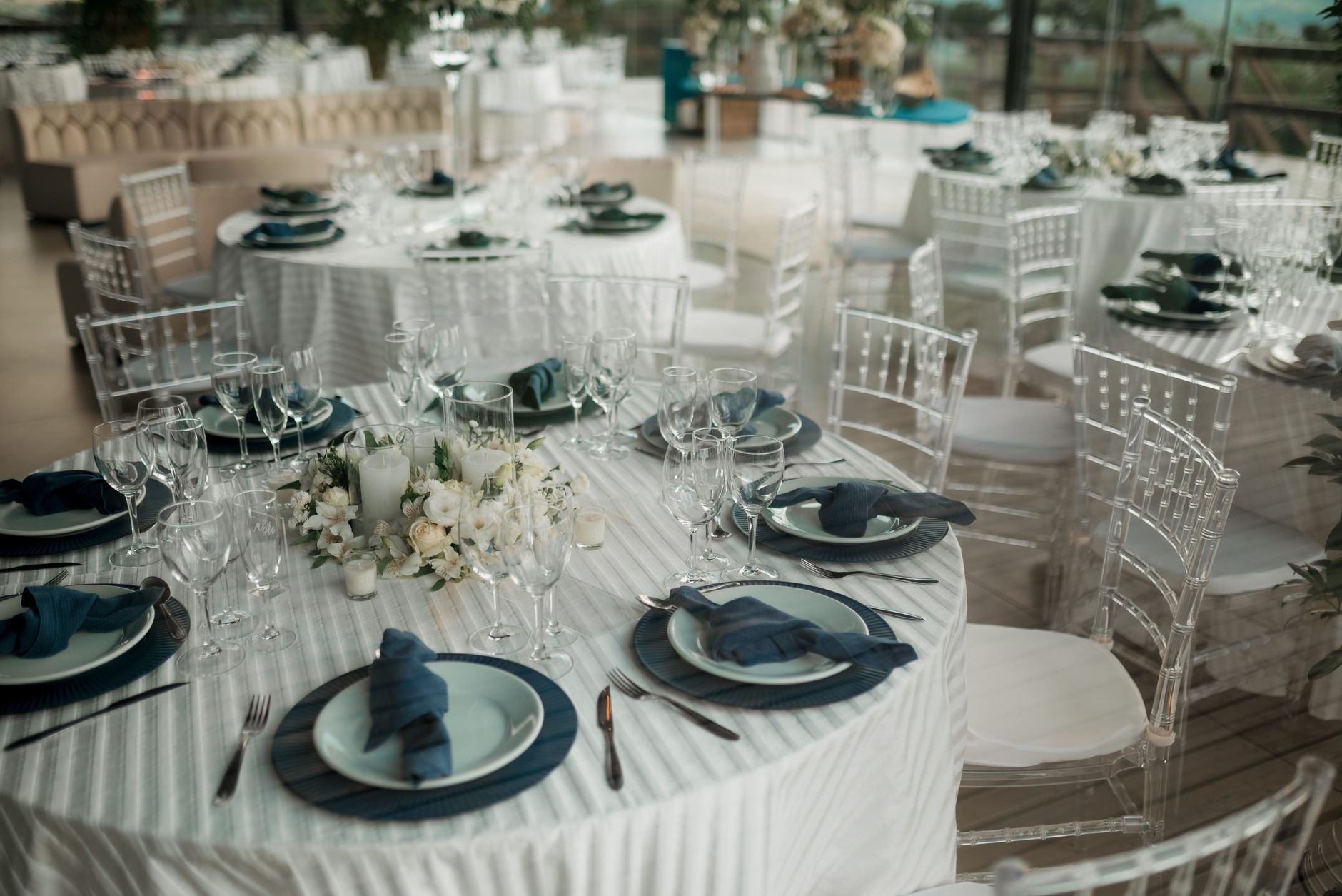
Send invitations and open your RSVP list. Sit the menu tasting and confirm dietary and religious requirements in writing — a banquet that cannot feed a table of your guests is a detail failure no décor can cover. Walk the venue with your florist and photographer at the hour of your actual ceremony, because light decides pictures. Draft the run sheet for the day: every ceremony, every speech, every change of dress, with a named person responsible for each. Then confirm every vendor booking in writing, with arrival times. A confirmation email costs a minute; an assumption costs a vendor.
The final weeks: hand the day to the team
Two weeks out, freeze the decisions. Give the venue the final count, close the seating chart, and settle the payment schedule so no one negotiates an invoice in formal wear. Appoint one person — not the couple — as the contact for every vendor on the day, and put that phone number on the run sheet. Pack the small kit every planner swears by: safety pins, blotting paper, a phone charger, flat shoes. The measure of a well-planned wedding is simple: on the day itself, the couple makes no decisions at all. That is what the previous eleven months were for.
Get The Vow.
The most beautiful weddings in Asia, one venue worth knowing, and one piece of planning advice — every week. Free.
By subscribing you consent to receive this newsletter from VowAsia (Asia Press Centre Pte. Ltd.); unsubscribe at any time.