Wearing Heritage at a Modern Asian Wedding: The Outfit Question, Answered
Áo dài or gown? Cheongsam at the tea ceremony, lehenga for the sangeet, white for the vows? How couples decide what heritage dress to wear, when to change, and how to make both families feel seen.
Start with the moments, not the wardrobe
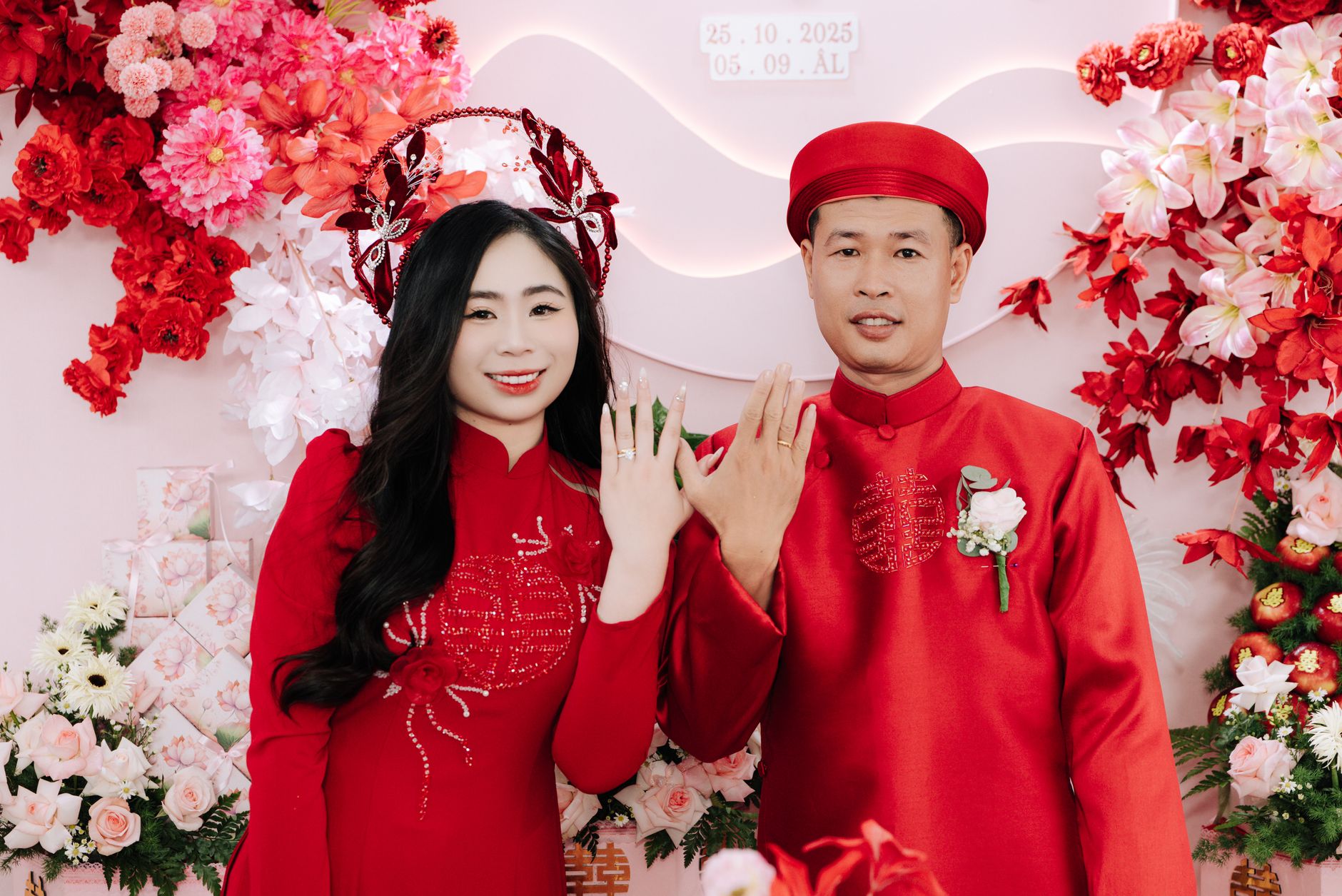
The most useful question is not “which dress” but “which moments.” Most weddings in Asia are a sequence of distinct occasions — a tea ceremony, a religious rite, a banquet, an after-party — and each has its own register. Map the day first, then dress each moment. A bride who knows the tea ceremony is the most traditional hour of her wedding can commit to the cheongsam or áo dài fully there, and feel no tension wearing a gown for the first dance.
Couples who skip this step tend to compromise everywhere at once — one outfit trying to honor every expectation — and end up with a dress that satisfies no one, least of all the person wearing it.
The outfit change is a schedule item, not an afterthought
Every additional outfit costs twenty to forty minutes of the reception once hair, jewelry and photographs are counted — time that comes out of the party, not out of thin air. Two changes is comfortable for most banquets; three is a production that needs its own timeline. Decide the number early, put each change into the run sheet with a named helper, and tell the photographer, who will want to shoot each look before it disappears.
The practical winner in much of the region is the two-stage day: heritage dress for the ceremony and family portraits, a second look for the banquet. It gives both traditions their full moment and only one changeover.
Tailoring heritage takes longer than buying fashion
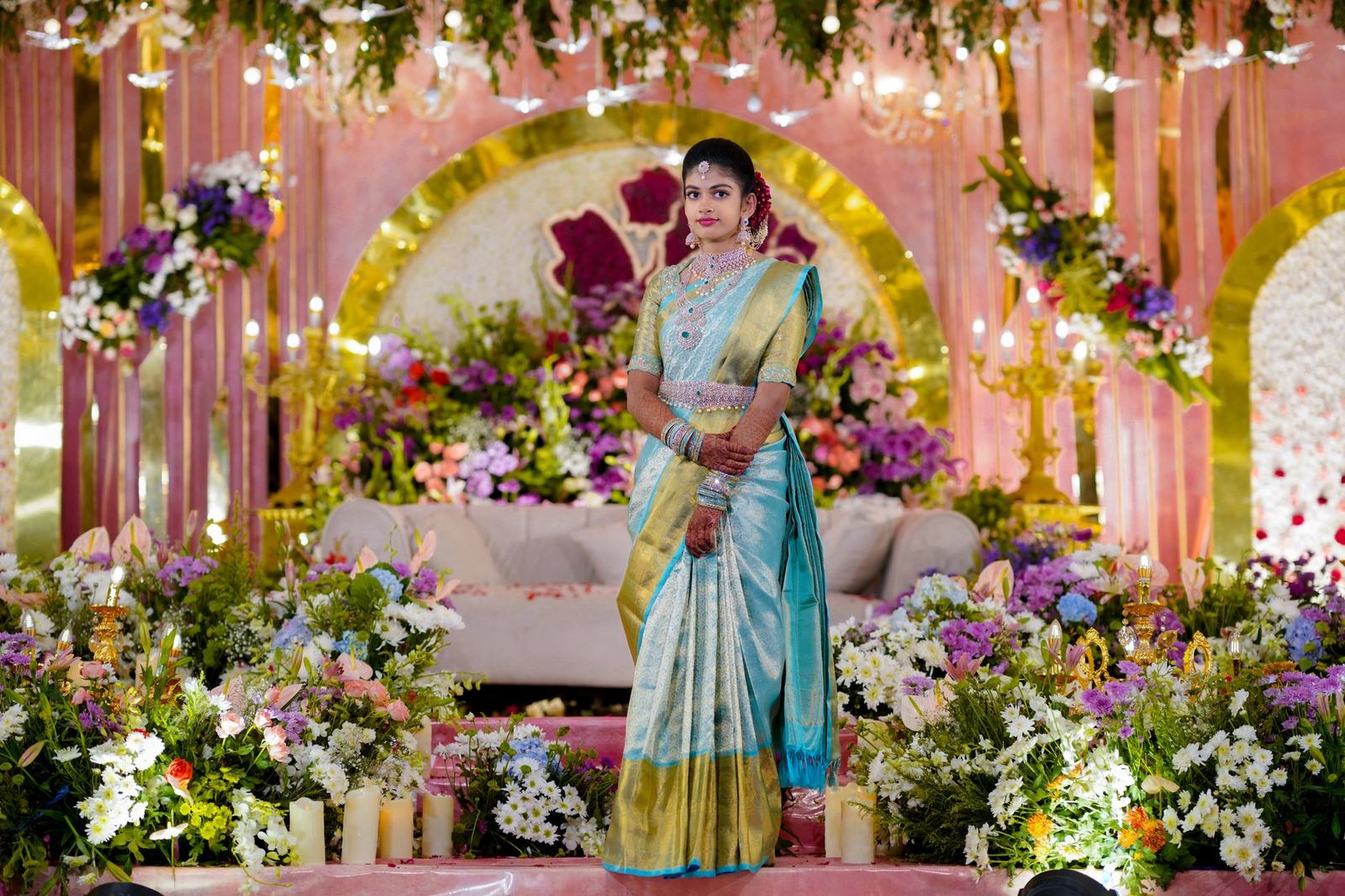
A made-to-measure áo dài, cheongsam, hanbok or lehenga is slower than a boutique gown: fittings, embroidery and fabric sourcing all add weeks, and the best makers book out ahead of wedding season. Start the conversation months earlier than feels necessary, and bring photographs of the ceremony setting — a maker who knows the dress will be worn kneeling at a tea ceremony, or dancing at a sangeet, cuts differently.
If a grandmother’s dress or a mother’s jewelry is part of the plan, have it assessed early. Vintage fabric can often be altered or incorporated, but it cannot be rushed.
Two families, two traditions, one couple
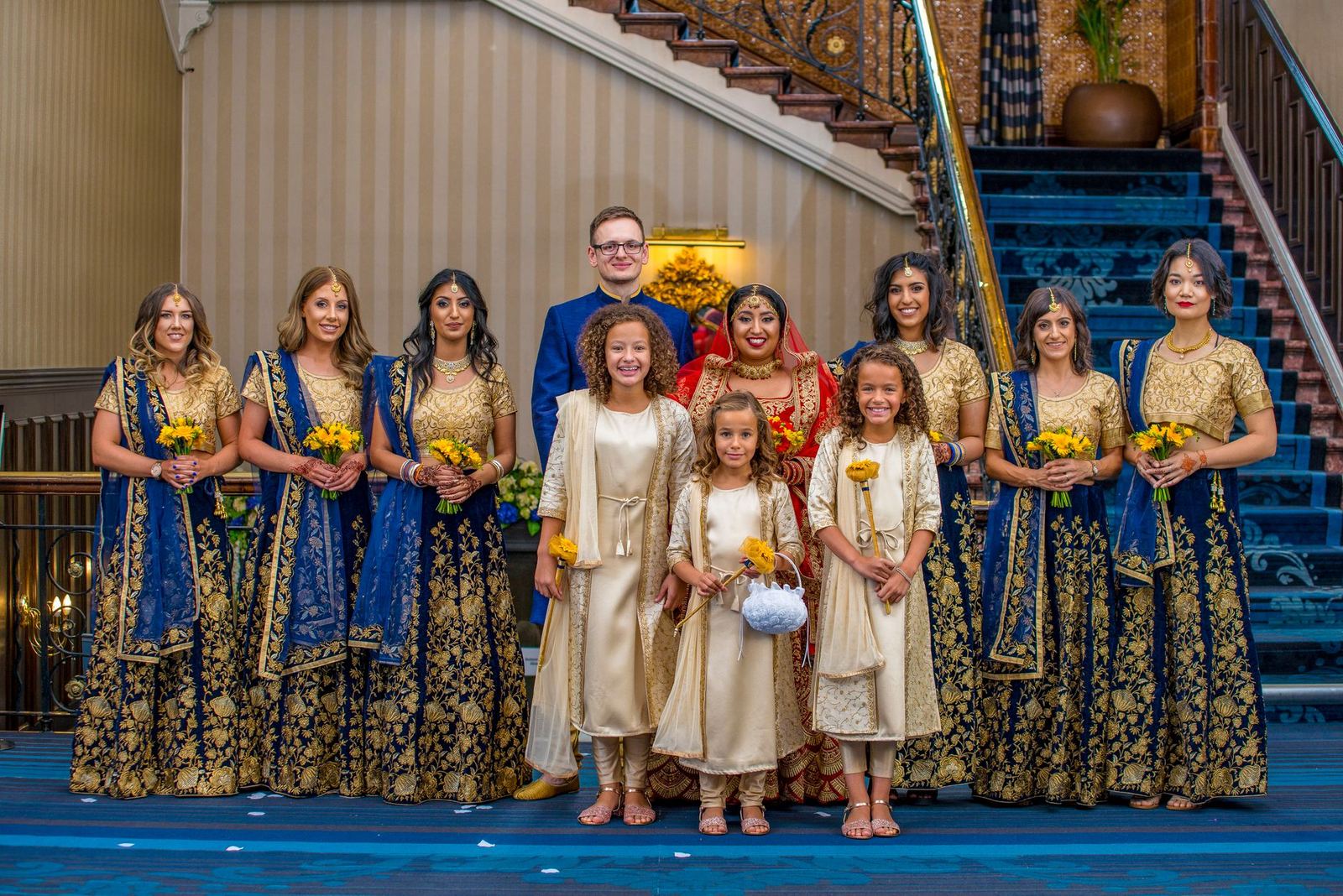
Cross-cultural weddings carry the sweetest version of this question: whose dress, whose ceremony, whose colors? The couples who navigate it best treat dress as a way of honoring people rather than settling a contest — her heritage at one moment, his at another, and the couple’s own taste at a third. Announce the plan to both families before the wedding, not at it; surprise is the enemy of goodwill on a wedding morning.
Color deserves the same care. Red, white and gold carry different meanings across the region’s traditions — check what each shade says to each side of the aisle, and when in doubt, ask the elders. They will be delighted to be asked.
Wear it like you mean it
The photographs that endure are never of a costume; they are of a person at ease in something that means something. Practice sitting, walking and dancing in every outfit before the day. Ask the maker how it should be worn — the collar, the fastenings, the way the fabric falls — because wearing heritage dress well is itself a tradition, and it shows.
However the outfits are divided, the rule that never fails: choose the dress you will be glad to see in the photographs in thirty years, on the day your own children ask what you wore.
Get The Vow.
The most beautiful weddings in Asia, one venue worth knowing, and one piece of planning advice — every week. Free.
By subscribing you consent to receive this newsletter from VowAsia (Asia Press Centre Pte. Ltd.); unsubscribe at any time.